
The complete guide
Choosing a Kids BBQ Toy Set for Pretend Cooking
A cooking game with room for their own ideas
Children often want to join in when adults prepare a meal. A real barbecue is not a place for independent play, but a pretend one gives them a separate setting for copying the cooking routine. They can take orders, move toy food around and invite someone to try their imaginary lunch.
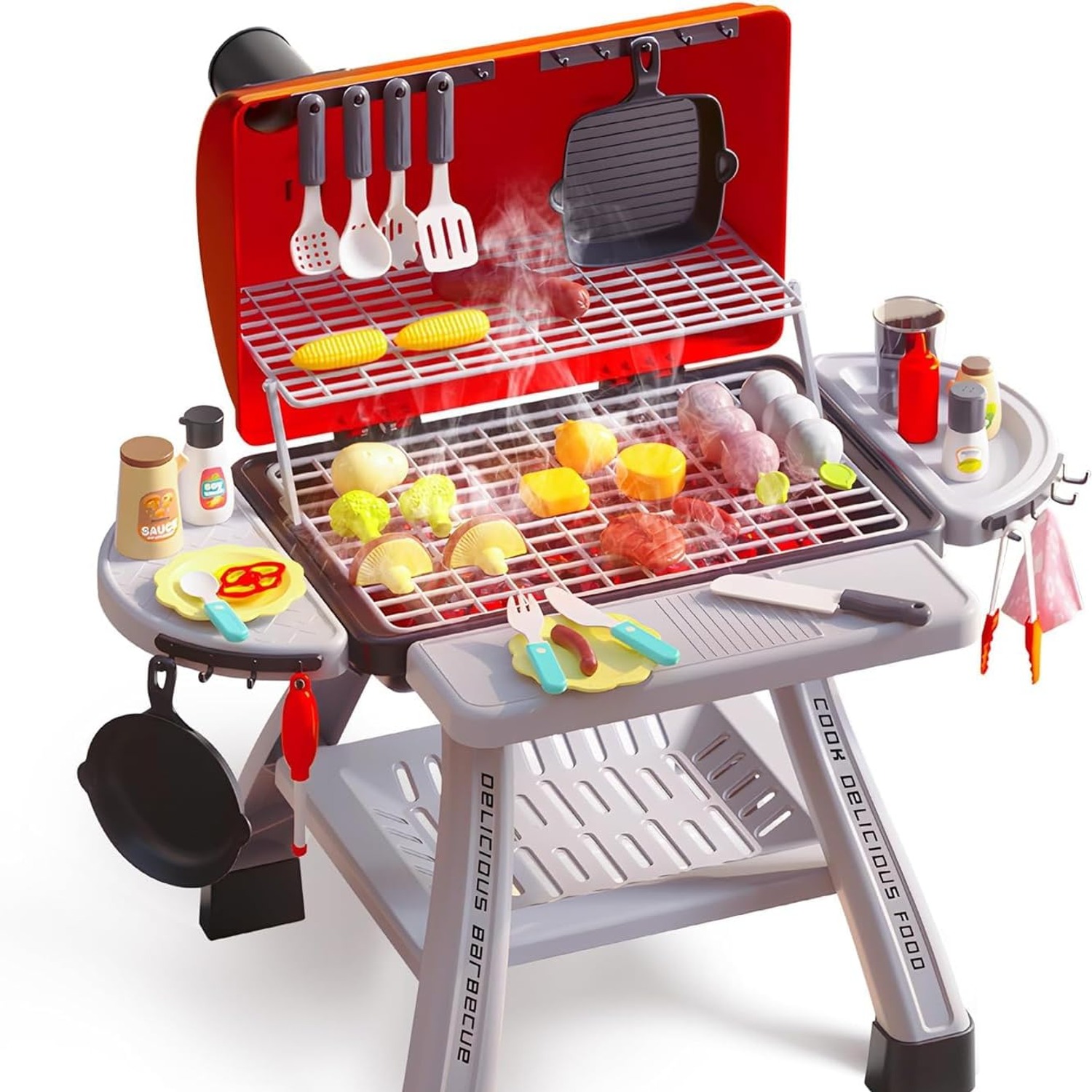
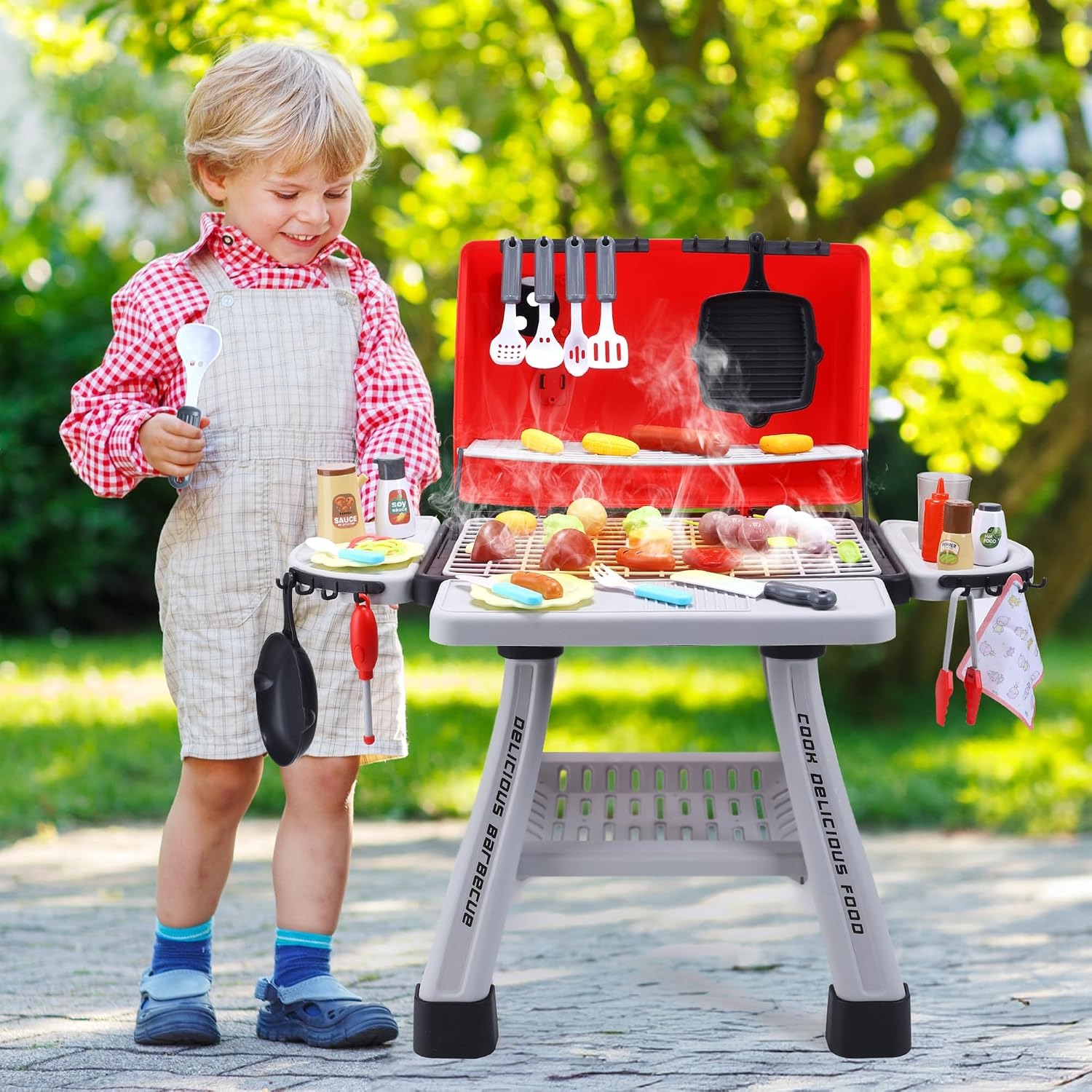
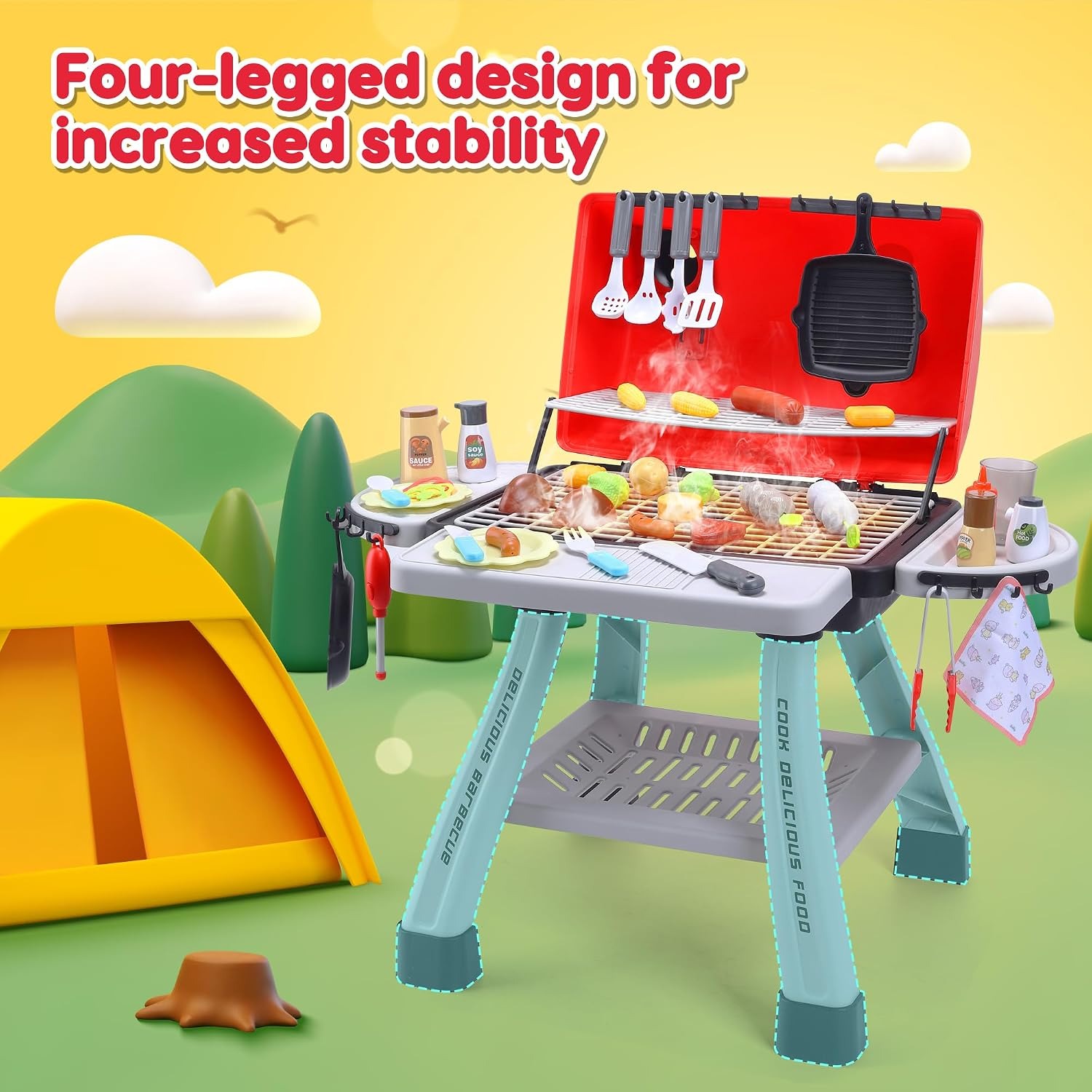
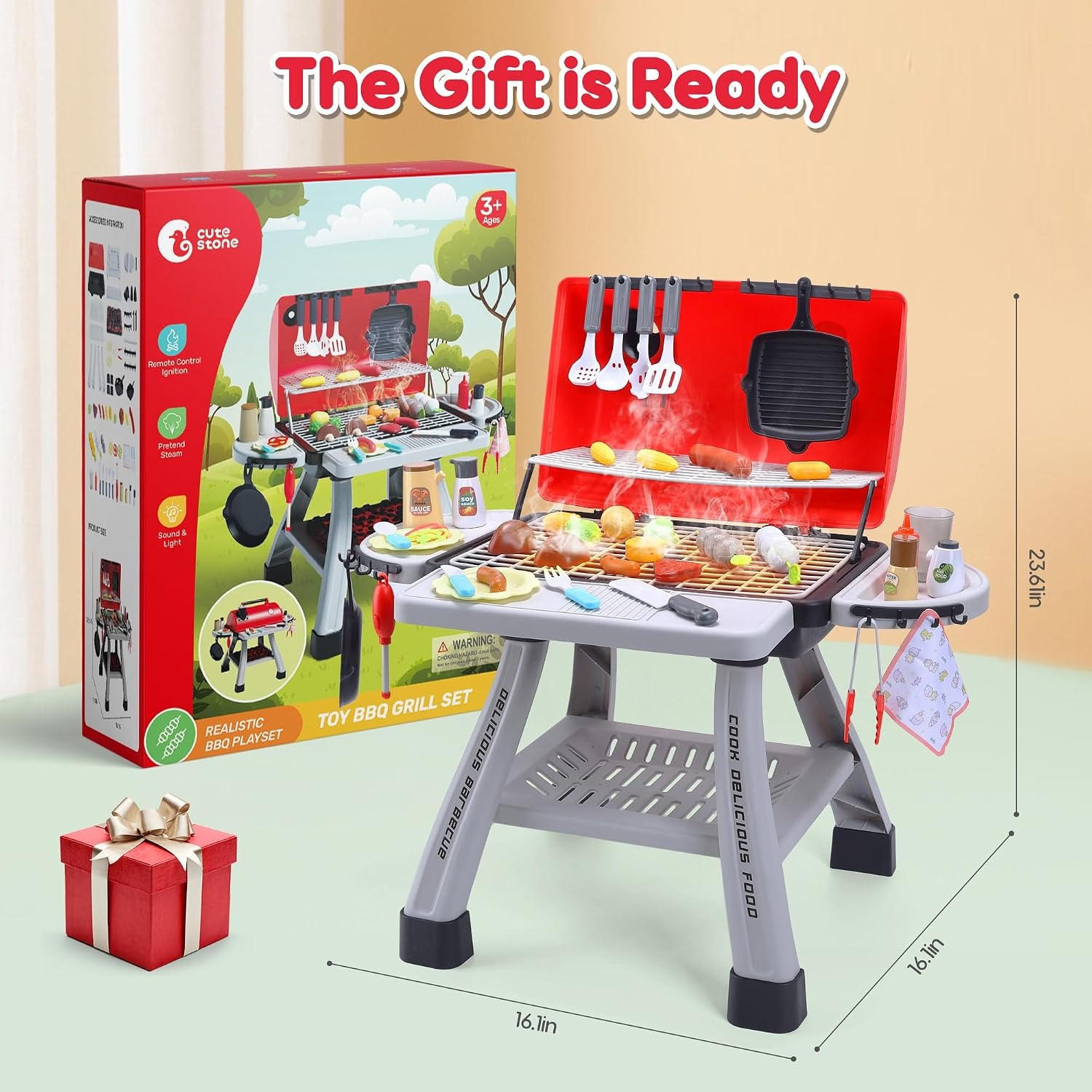
The Kids BBQ Toy Set brings that scene into a child-size format. It includes a toy grill, play food and cooking accessories, with lights, sounds and a water-vapour effect to add interest.
The main question is whether your child enjoys this kind of role play. A child who likes making pretend meals may find plenty to do here. One who prefers building or puzzles may be less drawn to the cooking theme, even with the effects switched on.
What happens during play
A pretend grill playset gives children a place to start a story. They might arrange food, pick up a utensil and announce that dinner is nearly ready. Another child can become the guest, or an adult can place an order.
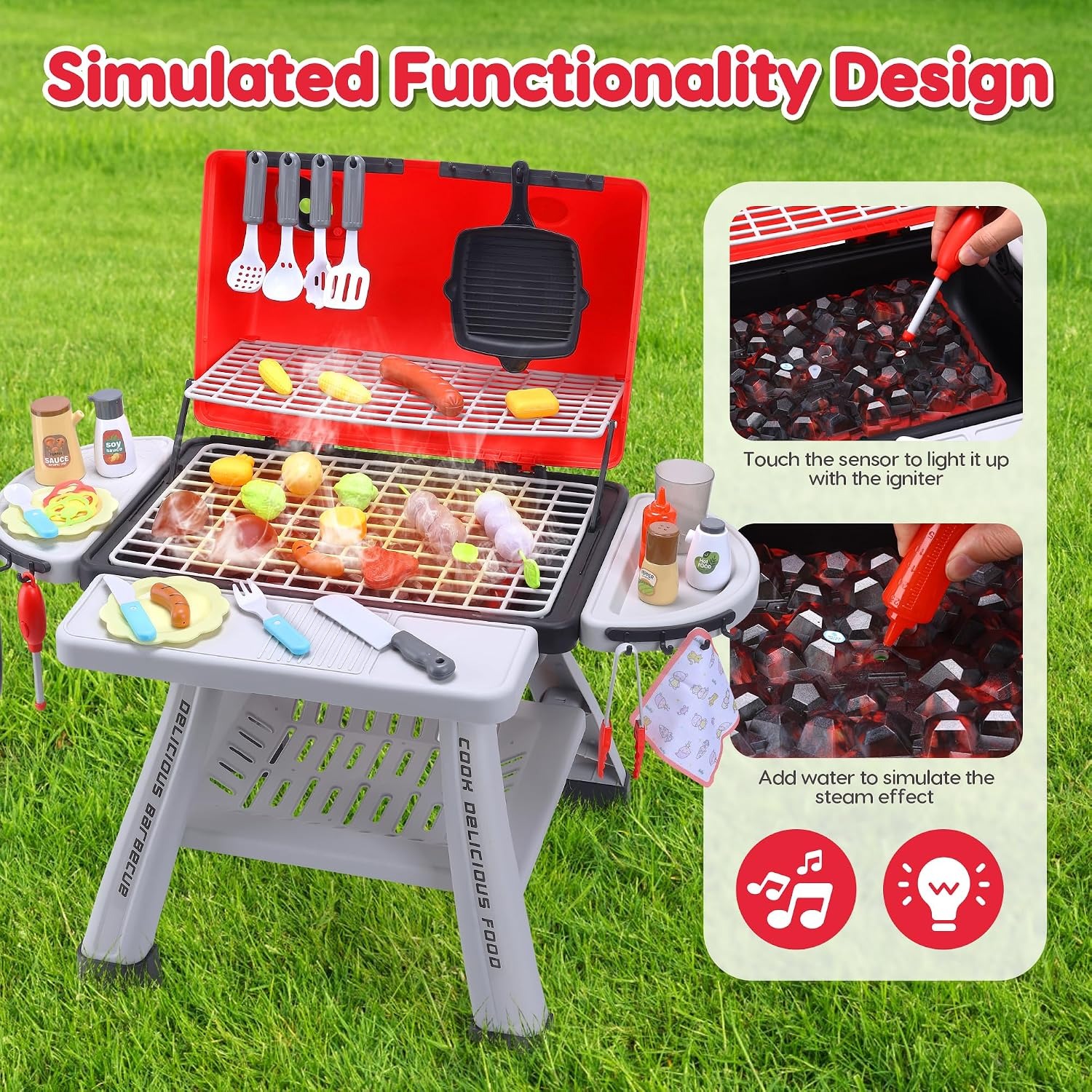
This set adds an interactive step. According to the maker's description, bringing the toy lighter near the coal ignition area activates lights and sounds, along with a water-vapour smoke effect. That action gives children a cue for when their pretend cooking has begun.
Water vapour is the described smoke effect, not real barbecue smoke. The set is a toy, not equipment for heating food. Keep that distinction clear during play, particularly if children have watched adults using a real grill.
The maker does not explain the filling method, power source or controls. Read the supplied instructions before setting up the effects rather than guessing how they work.
Look beyond the grill itself
The accessories matter because they give the game somewhere to go after the first pretend burger has been cooked. The maker includes condiment jars, toy food, pots, cutlery and spoons. It also mentions toy charcoal, pans, skewers, utensils and a toy lighter.
Those pieces let children move between preparing, cooking and serving. A pot might become part of a side-dish station. Condiment jars can prompt questions about what a guest would like with their meal.
There is no full piece-by-piece inventory in the maker's description. If a particular food or utensil is important to your child, confirm it before buying. A general description of a play food barbecue set does not establish every item or its quantity.
You also do not need to put every accessory out at once. Starting with a few pieces can make the game easier to follow and the clean-up less daunting.
Match the age guidance to your household
The manufacturer-recommended range is 36 months to 8 years. The safety warning is clear that the set is not suitable for children under 3. That warning takes priority over the broader toddler label found elsewhere in the product details.
For a younger child within the recommended range, an adult can help begin a simple cooking story. Ask what is on the menu, then wait for the answer. There is no need to turn every action into a lesson.
An older child may prefer a longer game, such as running a pretend food stall or making a menu. Interest matters as much as age when choosing cooking toys for preschoolers and early school-age children.
Think about younger siblings too. Choose a play area where you can keep the set and its accessories away from children below the stated minimum age.
Check the size before choosing a spot
Space is one detail worth checking carefully with this product. The maker gives one dimension set of 44 x 33.5 x 18.5 cm. Elsewhere, it lists 40.8 D x 40.8 W x 59.9 H cm.
The source does not explain whether these refer to packaging, assembled size or another measurement. It would be a guess to label either one with certainty.
If the grill needs to fit beside a play kitchen, under a shelf or in a small bedroom, contact us for confirmed assembled dimensions first. Allow room around the toy for children to stand and reach the accessories.
A child-size toy barbecue still needs more space than its footprint alone. Pretend guests, food preparation and loose pieces can spread the game into the surrounding area. Keep walking routes clear so others do not have to step through the cookout.
Decide how much the effects matter
Lights and sounds can help draw a child into a cooking story. The water-vapour feature adds another visible cue, which may appeal to children who like toys that respond to an action.
Still, it is worth asking whether your child would enjoy the barbecue theme without those effects. Pretend cooking can continue through conversation, serving and arranging food. That is useful to keep in mind when comparing a toy grill with smoke effect against a simpler set.
The maker's description does not state volume, battery type, battery inclusion or whether each effect can be controlled separately. If your household has firm needs around noise or power, confirm those points before ordering.
Knowing the limits of the information is more helpful than assuming a feature works a certain way. It also gives you a clearer list of questions to ask before purchase.
Make indoor and outdoor play practical
The set is described for both indoor and outdoor use. Indoors, choose a level spot with room for the four-legged base and the people playing around it. Keep it away from stairs and busy doorways.
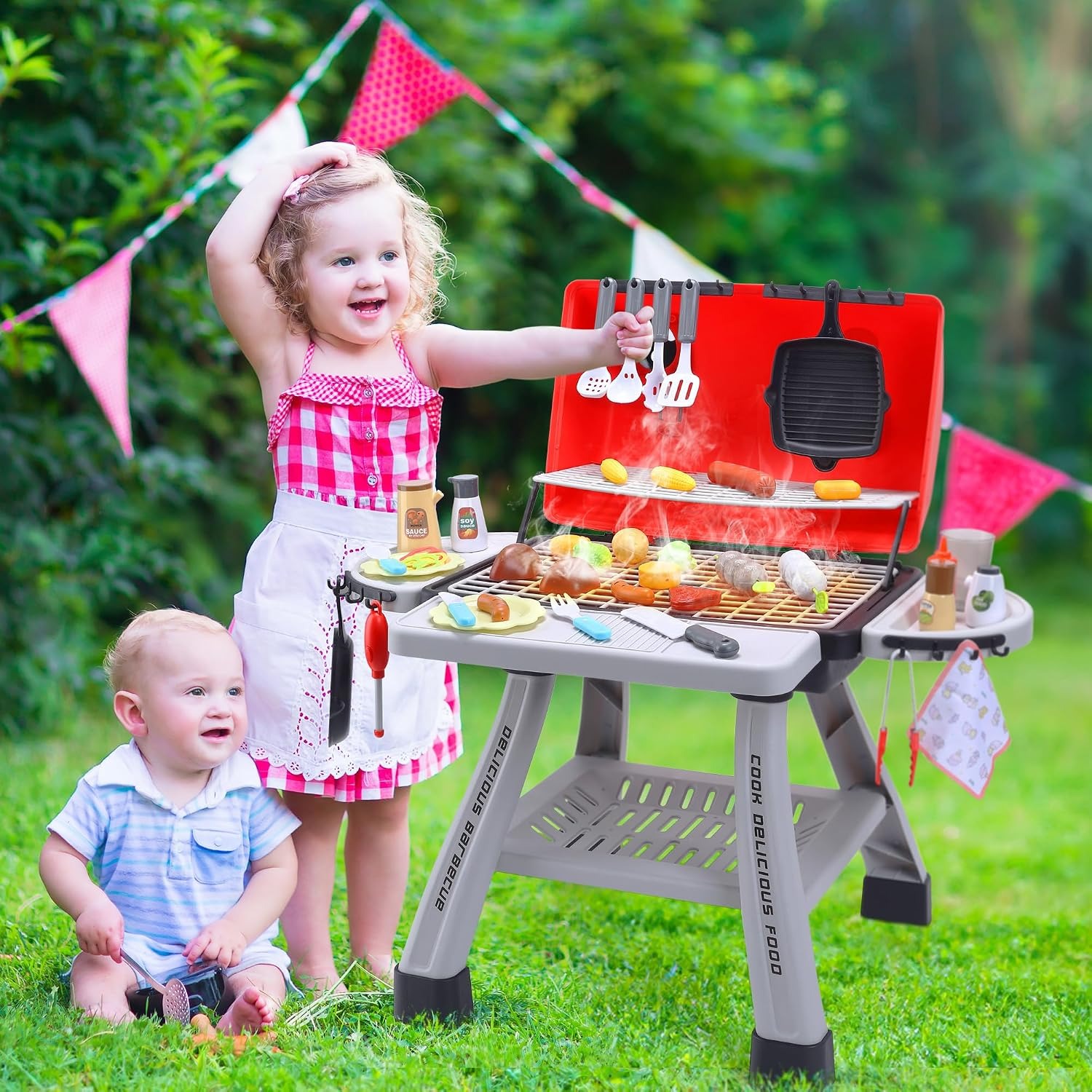
For supervised outdoor play, a pretend picnic can give the barbecue a natural setting. Children can take orders while adults sit nearby, without joining the real food preparation.
Outdoor use does not mean the toy is weatherproof. The maker gives no weather-resistance details, so do not plan to leave it in the garden. Bring the grill and its accessories indoors after play and store them dry.
A garden barbecue toy should also stay well away from real grills, fire pits and hot cooking tools. Giving the pretend cookout its own area helps keep the boundary clear.
Keep shared play simple
A set of barbecue role play toys can give children different jobs, but they do not need a formal plan. One child may want to cook while another prefers handing out meals. Let them choose and change roles as the game develops.
If everyone wants the same utensil, help them agree on turns. Adding more instructions can sometimes interrupt a story that was going well, so step in only as needed.
Adults can join without taking charge. Ask for a meal, comment on what has arrived or offer to help tidy the pretend kitchen. Open questions leave more room for a child's ideas than a fixed script.
There is no need to expect a particular learning result. Naming foods, handling utensils and talking to guests are everyday play opportunities, not promises about development.
Plan for assembly and care
Assembly is required, and the maker says instructions are included. It does not give a setup time or tool list. If this is a gift, allow time to read the instructions and check the contents before the child expects to play.
Follow the manufacturer's directions for the water-vapour feature. Do not guess the amount of water required or add anything that the instructions do not permit.
For routine care, wipe accessible surfaces with a soft, lightly damp cloth and dry them before storage. Avoid immersing parts containing light or sound components. Dishwasher suitability is not stated, so do not assume the accessories can go in one.
Check for damaged pieces as part of tidying up. Keeping the toy barbecue utensils together in a suitable storage container can also make the next game easier to start.
Buying it as a gift
This barbecue toy may suit a child who already enjoys feeding dolls, serving imaginary snacks or copying family cooking routines. Those interests are a more useful guide than choosing it only for its effects.
Before buying, check the age warning with the parent or carer and ask about available space. A larger role-play toy can be welcome, but it needs a home between games.
Delivery timing, returns terms and warranty details are not supplied by the maker. Check our delivery and returns pages information before choosing it for a fixed date. Keep order details and packaging while the recipient checks the set.
The short version
Choose this kids barbecue playset for its cooking theme, included accessories and interactive grill effects. It offers a setting for pretend food preparation, serving and shared cookout stories.
The key checks are straightforward. Follow the minimum age of 3 years, confirm the assembled size if space matters, and ask about power requirements if needed. With those details settled, the choice comes down to whether a pretend barbecue fits the way your child likes to play.